English-style Barrel Aged Beers
English-style barrel aged beers and barley wine have a long history dating back hundreds of years and come from the practise of making longer-fermented, stronger beers when the temperatures were cooler during autumn and winter. These stronger ales were then cellared or stored in cool conditions, usually in oak barrels. Because of the higher temperatures in summer, the beers tended to be weaker and quite often spoiled.
In Tudor times, these ‘Strong or Keeping’ aged ales gained names like Mad Dog or Crackskull due to their potency. At first, alcohol was the main preservative keeping the beer from spoiling, but increasingly hops were adopted as an ingredient to beer, adding both flavour and helping prevent the beer from going off. Aged beers were often blended with younger beers to add flavour and balance.
Moving forward, changes in production techniques and a greater understanding of the science of brewing helped raise the level of beer quality. Different ingredients, including the strain of yeast used and the chemical composition of the water, were also used to change the flavour profiles of beers. The most famous, perhaps, is the process developed in Burton-upon-Trent, which produced crystal clear, sharp, balanced beers of consistent quality.
Today, the combination of ingredients and ageing in oak produces beers of exceptional depth with layers of flavours of dried vine fruits, toasted brioche, caramel, molasses and sweet sherry. Brettanomyces yeasts add hints of earthiness and a funky acidity to balance the bitterness and the alcohol. The ageing in oak smooths off the whole flavour profile, adding notes of vanilla and spice.
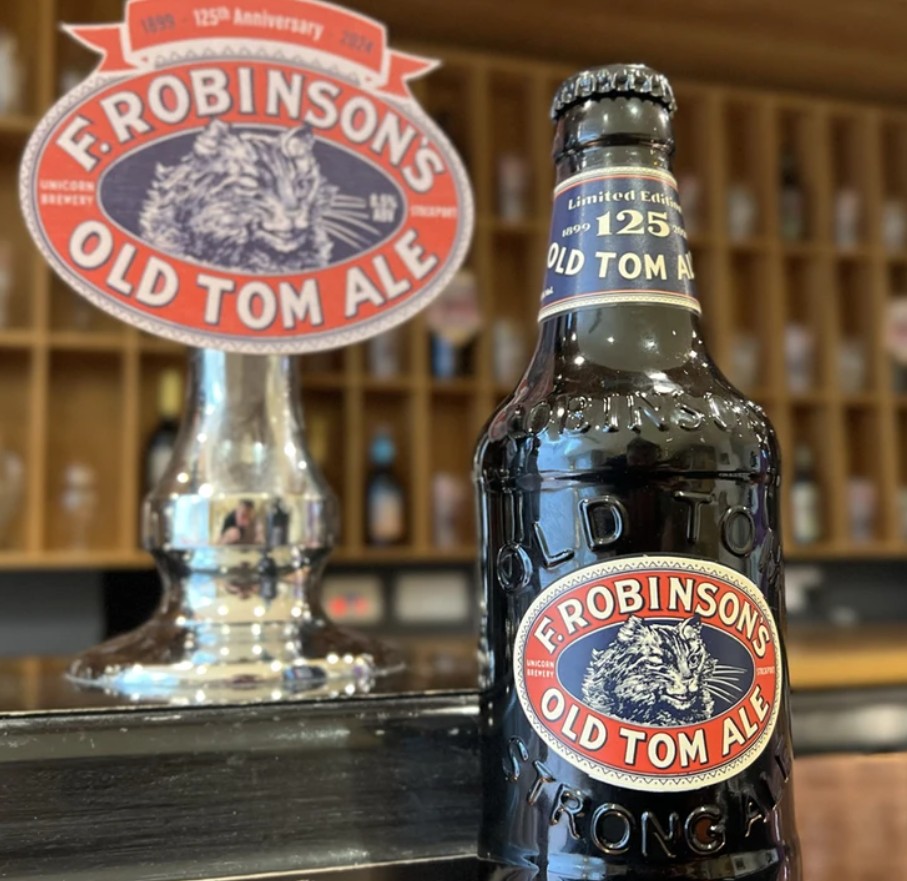
There can be some confusion about whether a beer is a barley wine or an aged ale, and some experts even question if there is, in fact, a difference. What I do know is they are great by a roaring fire on a cold winter day, and aged ales have a particular affinity for cheese and fruit cake. If you want to try an aged ale, it can be quite difficult. Suffolk-based brewer Greene King occasionally releases an aged ale, and last year, 2025, Darkstar released their version of Gales Prize Old Ale at a few pubs in London. Robinsons produce Old Tom, which is marketed as an aged ale but is also classed by some as a Barley wine.
What is Barley Wine?
Barley wines are similar to aged ales but generally have a higher ABV and are more hoppy and bitter, alongside the toasted malt flavours from using one hundred per cent barley. Like long-aged ales, their flavour profiles mature through ageing. Traditionally, Barley wine was made from the ‘first running’ or the initial wort collected with the highest sugar content. Barley wines are very intense, with the alcohol adding a warmth to the beer; they are designed to be savoured, not quaffed. Barley wines are often bottled and dated, and each vintage will be different, like wine.
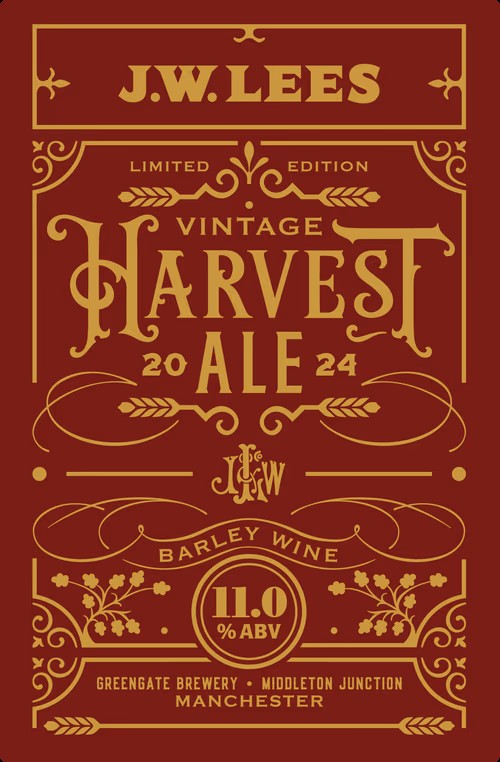
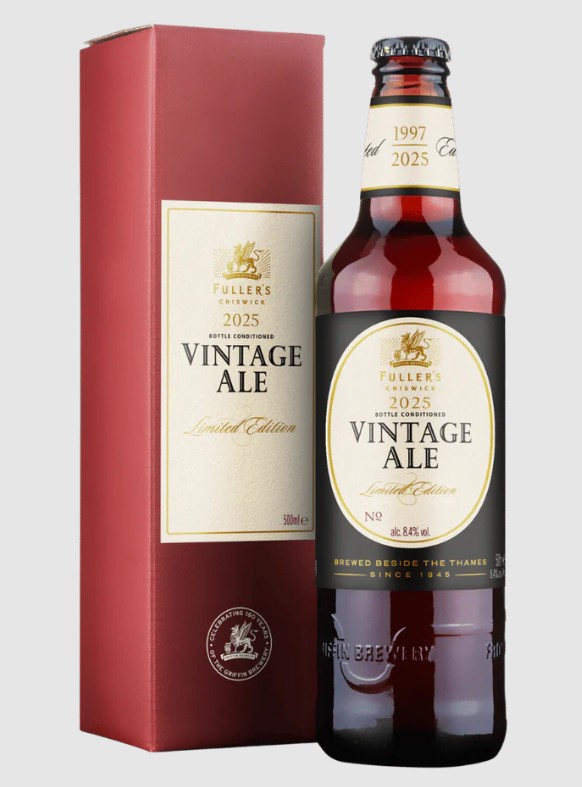
When I first started working in pubs, it seemed like everyone had a row of the gold foil-topped Whitbread Gold Label. I remember one particular pub sold 48 cases a week! Sadly, although Gold Label is still available, it is now a poor example of a barley wine and today the best examples of this proud brewing tradition include the collectable, dated, vintage releases from Fullers and Thomas Hardy Ale. J. W. Lees brews a fabulous Harvest Ale, served from the cask, that is aged in a mix of used whisky, port and sherry casks and Samuel Smith’s Yorkshire Stingo is aged in oak for at least a year and packed with the sweet, sticky, vine-fruit flavours of Christmas pudding.


Leave a Reply