What is Reinheitsgebot? Reinheitsgebot is the name for a law introduced over five hundred years ago regulating the ingredients that can be used in the production of German beers. The Duke of Bavaria first issued a decree in 1516 to regulate the price brewers could charge, banning additional flavourings and preservatives which ranged from herbs to some dubious and frankly toxic ingredients such as pitch and henbane and originally stopping the use of wheat so that it could be used to make bread. The Reinheitsgebot is thought to be the oldest example of a consumer protection law in existence.
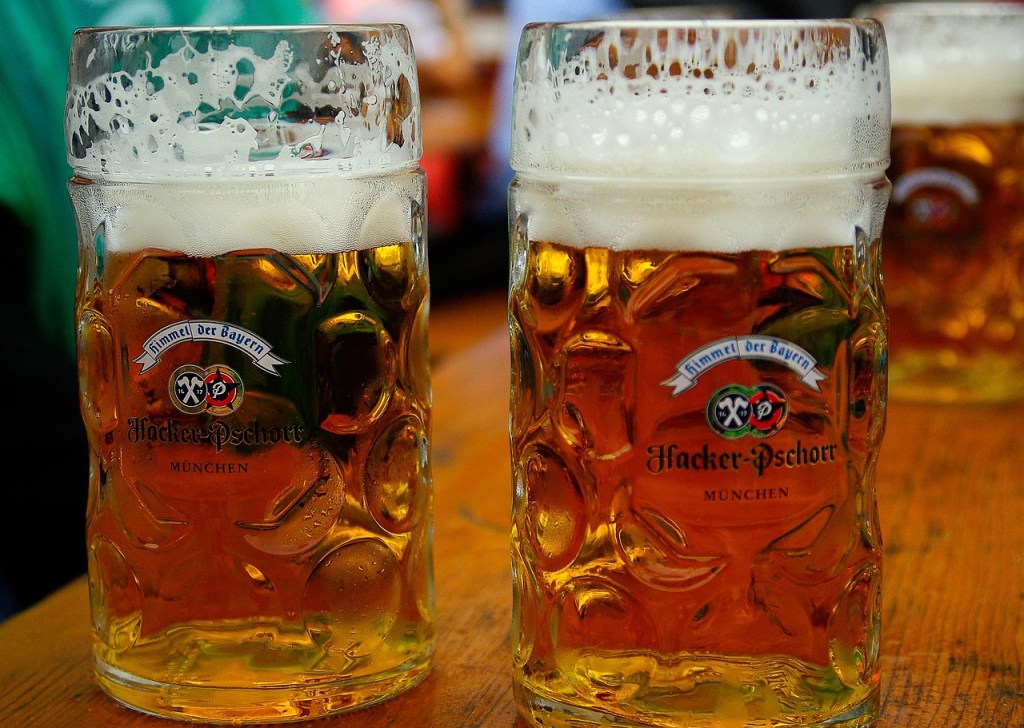
What Exactly is Allowed in Germany Beer Today?
As brewers did not understand the process of fermentation the original decree limited the ingredients to malted barley, hops, and water. The Reinheitsgebot tradition became a powerful marketing tool in the mid-twentieth century to promote traditional German style beers but also restricted brewers from following innovations such as the use of other grains like rice and maize favoured by American brewers to produce lighter tasting beers.
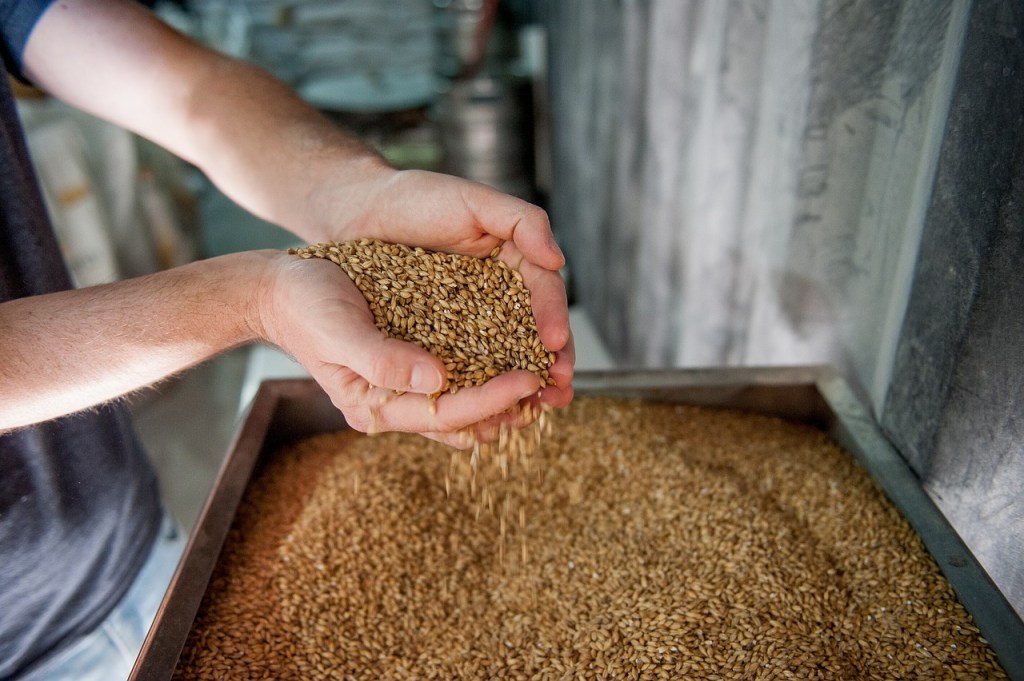
Beers brewed in Germany following the Reinheitsgebot are considered a protected foodstuff under European Union legislation. Today the law allows for the addition of yeast and other types of grain and some other natural ingredients to accommodate other styles and gluten free beers, but many brewers stick to the original purity laws. Some brewers in other countries follow the restrictions out of choice, especially in Norway.


 THE CASKAWAY
Leave a reply to Maisel’s Weissbier – The Caskaway Cancel reply