To macerate in cooking means to soften by soaking in liquid, the liquid can also be used to add extra flavour such as soaking dried prunes in Earl Grey tea. In the world of drinks it can refer to flavouring by soaking fruits, herbs and other aromatics with beer such as Lambics or with spirits to make drinks such as Crème de Cassis or Campari.
In wine making maceration involves steeping grape skins, pips and skins in the grape juice or must. It is also referred to as skin contact and this is the total time the grape juice is in contact with the skin etc including during fermentation. In red wines this process provides the majority of the chemical compounds that provide the colours, flavours and tannins. Pressed grape juice itself is faintly greenish or grey in colour, certainly not the glorious colours we get in our favourite wines.

During fermentation as the sugars are converted to alcohol carbon dioxide is created as a byproduct. The carbon dioxide rises to the surface of the fermenting vessel pushing up the grape skins which form a cap. This means that the skins are not in contact with the majority of the must or grape juice. To overcome this traditionally the wine maker could do two things, they could push the cap back down into the must, this is called punching down. Or they can pump the must from the bottom of the fermenting vessel back over the cap. This is called pumping over. More industrial wineries now aerate the fermentation vessel. The rising air bubbles help circulate the grape juice and skins keeping them in contact.
In general, white wines are only macerated for very short periods of time if at all, Rosé wines are made with red skinned grapes, and the colour comes from a skin contact of anywhere between twelve to twenty-four hours. Red wines maceration can last up to several weeks.
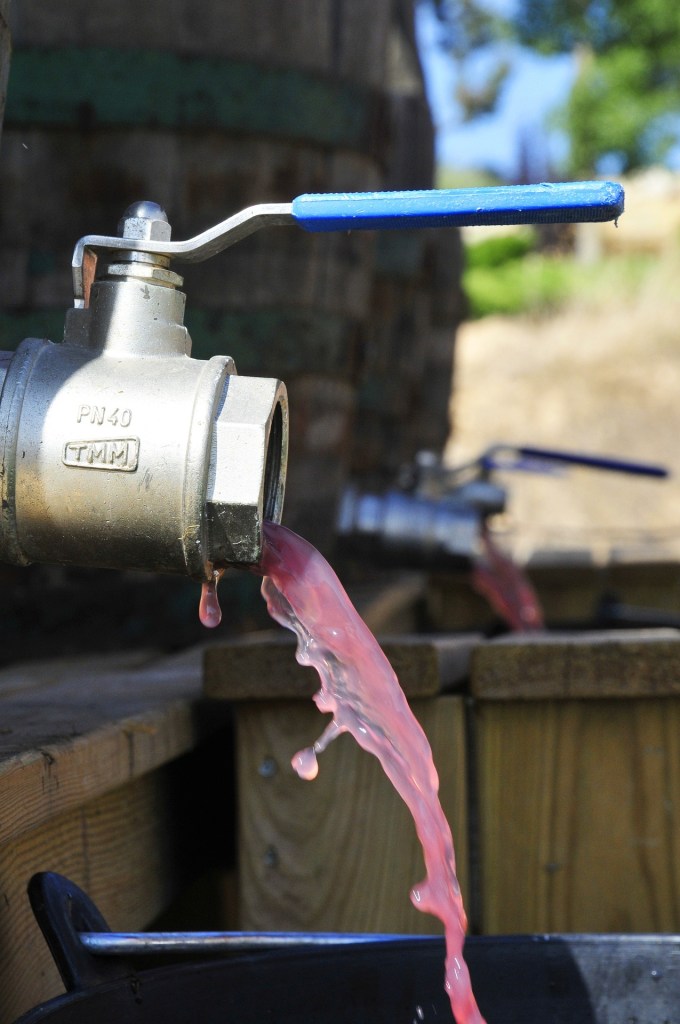
White wines can be macerated for a very short period of time as little as a couple of hours. This is used to change the wines aromas and mouthfeel. Orange or amber wines are an exception were an extended maceration gives the wine its distinctive appearance. Rosé wines are made with red skinned grapes and the colour comes from a skin contact of anywhere between twelve to twenty-four hours. Red wines can be macerated for a few days for fresh, fruit driven wines to a couple of weeks for wines with a higher tannin content that will benefit from aging.
Some wines are left to macerate long after fermentation has finished. This process is called extended maceration and is why a thin-skinned grape like Nebbiolo can make such an intensely tannic wines as Barolo and Barbaresco. Traditionally a long slow fermentation is followed by the wines aging on the skins for several months. Extended maceration is part of the wine makers tool set and is used with other thin-skinned grapes such as Pinot Noir as far apart as France and Oregon to produce lush, deeply flavoured wines.


 THE CASKAWAY
Leave a reply to Brew Cru Black Label Pinot Noir 2019 – The Caskaway Cancel reply